Good Layout vs Bad Layout: Why It Matters More Than You Think

At Grace and Morris, we’ve noticed a recurring theme in our initial consultations. Most people come to us with a Pinterest board full of beautiful finishes: marble countertops, specific shades of sage green, or the perfect brass hardware. They think design is primarily about how a space looks.
But here is the truth we’ve learned over years of working as architects in Harrogate and across North Yorkshire: Design isn’t actually about how a space looks. It’s about how it works.
If you have a stunning kitchen but you can't open the dishwasher without blocking the path to the fridge, the "look" won't save you from daily frustration. Layout is the invisible foundation of your life at home. When it’s done right, you don't even notice it. When it’s done wrong, it’s all you can think about.
The Anatomy of a Bad Layout: Why You’re Feeling Frustrated
We’ve all walked into a room that feels "off," even if we can’t quite put our finger on why. As harrogate architects, we spend a lot of time "de-coding" these uncomfortable spaces for our clients. Usually, it comes down to a few specific layout sins.
1. Blocked Natural Pathways
Humans are like water; we want to take the path of least resistance. A bad layout forces you to weave around the back of a sofa or shimmy past a dining table just to get from the kitchen to the garden. If your furniture blocks the natural "desire lines" of your home, the space will always feel like an obstacle course.
2. The "Cramped" Illusion
A room doesn't have to be small to feel cramped. We see huge barn conversions where the layout is so poorly handled that the space feels oppressive. Usually, this happens because the furniture is pushed against the walls or the proportions are out of sync with the room's scale.
3. Awkward Spacing and Daily Friction
This is the "daily frustration" factor. It’s the door that hits the bed frame. It’s the light switch that is hidden behind a bookshelf. It’s having to walk across the entire house to put away groceries because the garage-to-pantry flow wasn't considered.
Insider Tip: Next time you’re in a room that feels uncomfortable, try to trace your "walking path" on a piece of paper. If the line is jagged and full of sharp turns, your layout is the culprit.
The Hallmarks of a Good Layout: The Invisible Luxury
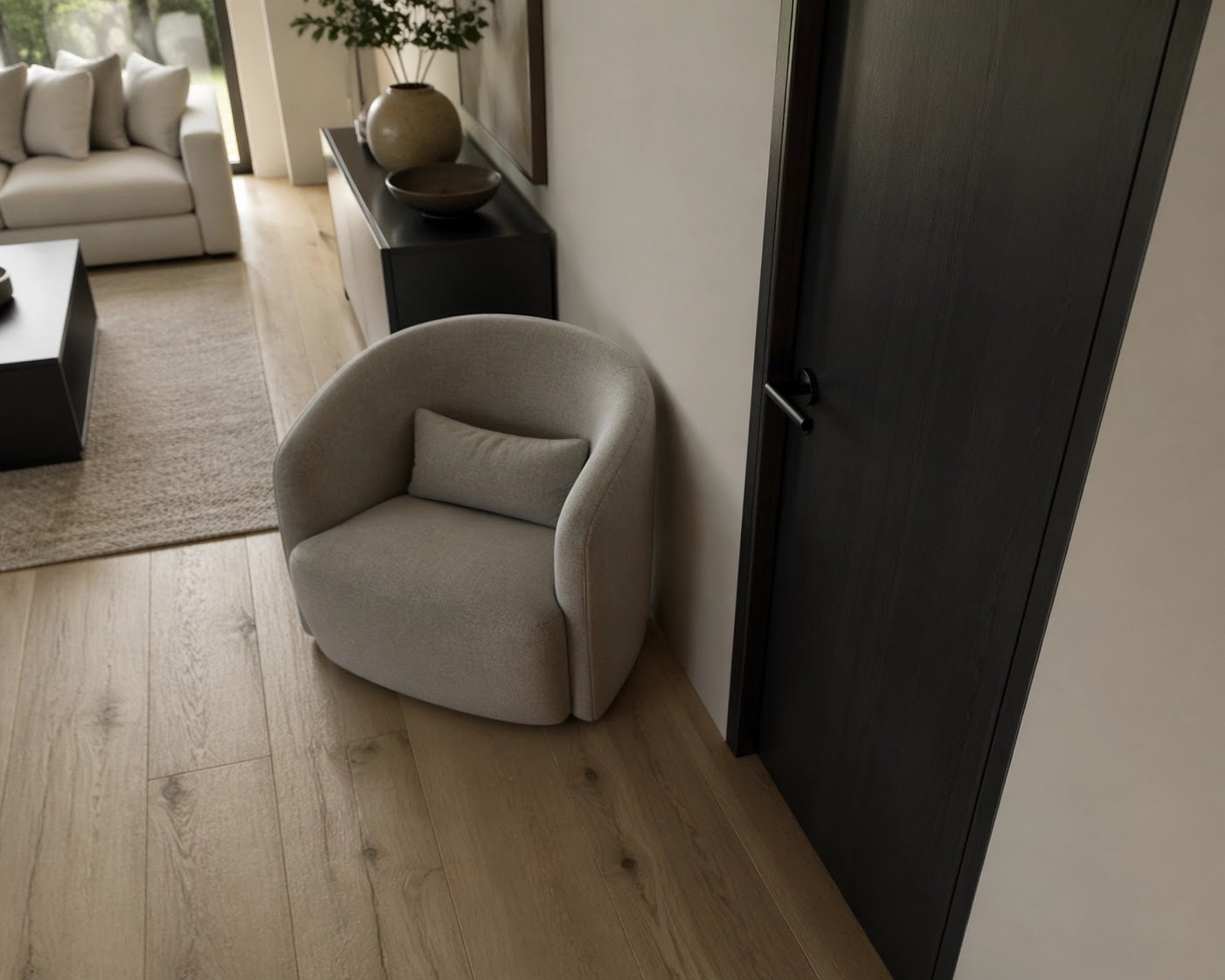
A good layout provides what we call "effortless circulation." It’s the feeling of moving through a home without having to think about where your feet are going. This is where real value is created: long before we talk about paint colours or flooring.
When we approach a project, whether it’s a modern new build or a sensitive renovation, we look for:
Clear Circulation: Zoning areas so that "traffic" moves around the living spaces rather than through them.
Purposeful Placement: Every piece of furniture and every structural opening (doors/windows) should have a "why."
Balanced Proportions: Ensuring the "void" (empty space) is just as considered as the "solid" (furniture/walls).
Natural Flow: A seamless transition from one zone to another, especially in the open-plan designs popular in architecture in Yorkshire.
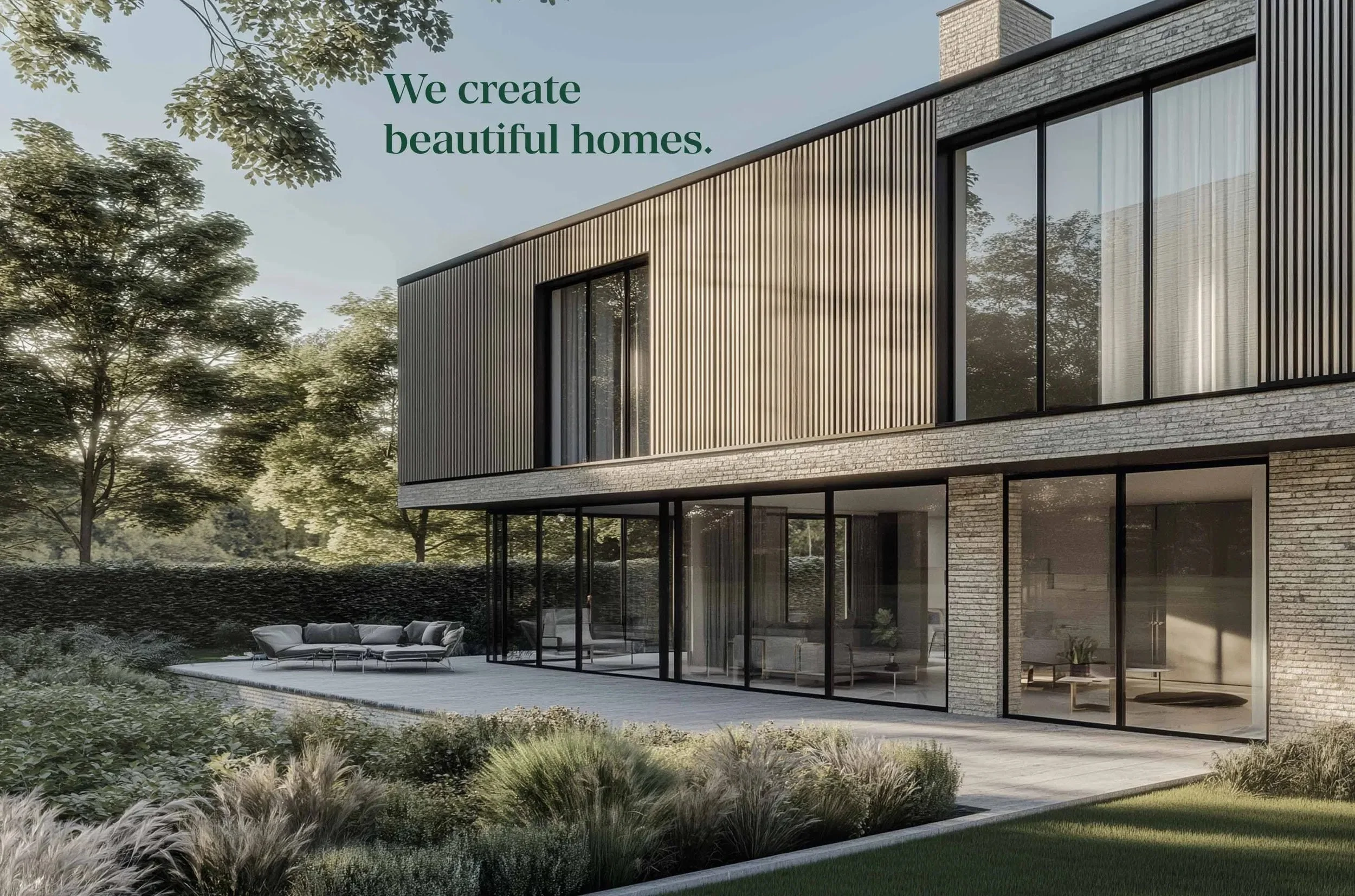
A good layout can make a standard, average-sized room feel like a luxury suite. It’s about the breathing room. It’s about the way the light hits a focal point without being obscured by a poorly placed wardrobe.
Why Planning Matters More Than You Think
As architects north yorkshire residents trust with their most personal spaces, we believe the planning phase is the most critical part of the entire journey. This is where we solve problems that haven't even happened yet.
When we work on a barn conversion, for example, the layout challenges are unique. You’re dealing with fixed structural points, often large heights, and specific light constraints. A specialized barn conversion architect doesn't just look at the shell; they look at how to carve out intimate, usable spaces within a cavernous volume.
Without careful planning, a barn can easily become a series of drafty, disconnected rooms. With a strategic layout, it becomes a cohesive, warm home that celebrates its original scale while functioning for modern life.
Case Study: Making Space Work in North Yorkshire
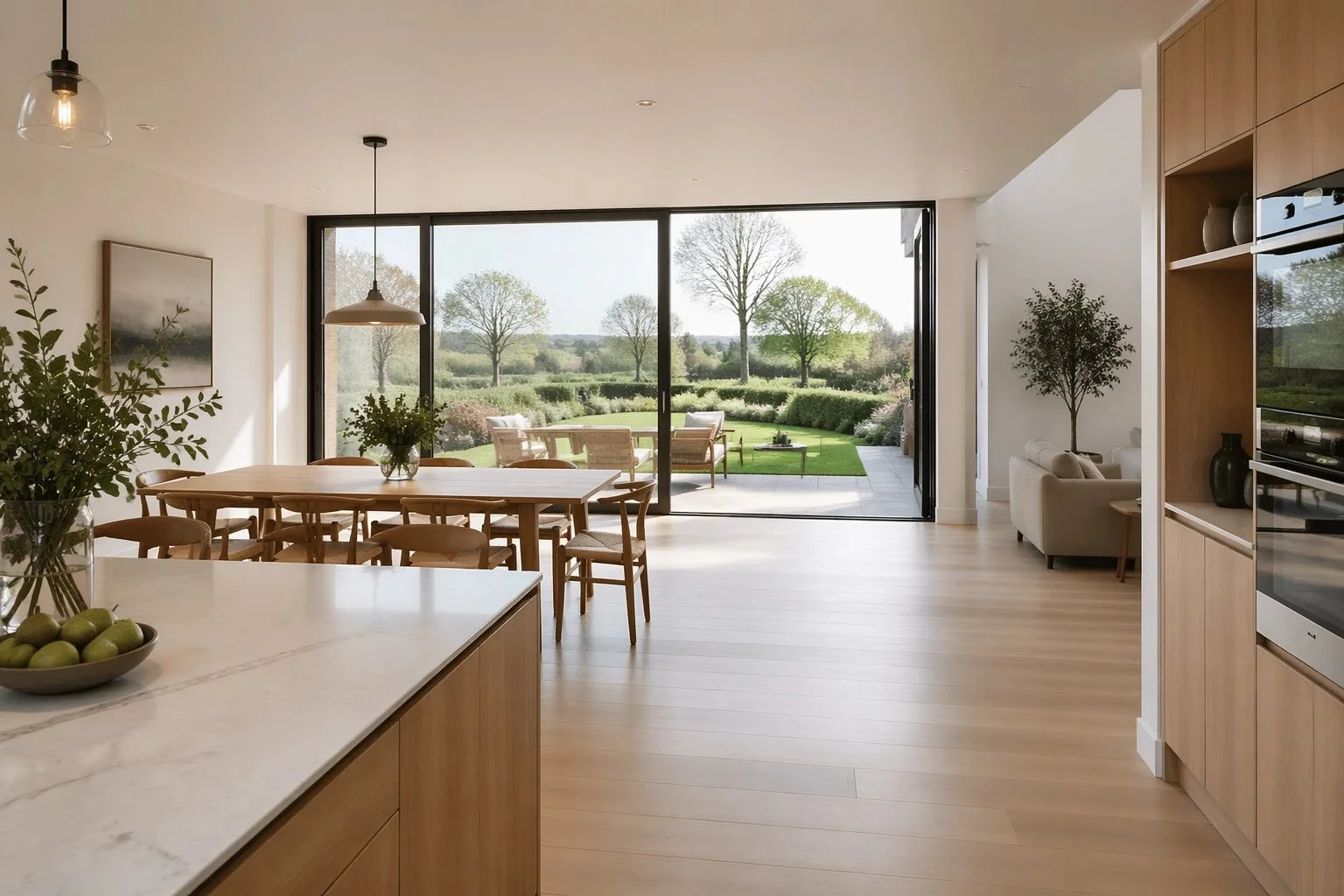
Take our project at Highfield House. The success of this design didn't come from the materials alone; it came from how we reconfigured the flow to connect the interior with the landscape. By addressing the layout first, we ensured that the "luxury" feeling was built into the bones of the house.
Similarly, in our West Hill Avenue project, the focus was on creating a layout that facilitated family life. We focused on the "messy" areas: utility, storage, and transition zones: to ensure the main living areas remained calm and uncluttered.
We often advise our clients: Invest in the layout now. You can change your sofa in five years, but moving a structural wall is a whole different story.
The Role of Your Architect
When you hire yorkshire architects, you aren't just paying for drawings to get through planning permission. You’re paying for someone to stress-test your life against a floor plan.
We anticipate the likely "pinch points." We look at how the sun moves through your North Yorkshire site to ensure your morning coffee spot is in the light and your TV isn't plagued by glare. We collaborate with consultants and structural engineers to ensure that the "perfect layout" is actually buildable and cost-effective.
Our role is to be your problem-solvers. We take the "I feel it... but can't explain why" frustration of a bad layout and turn it into a clear, logical, and beautiful solution.
The Bottom Line: Layout is the Real Value
Here is the truth most people miss:
A bad layout can make a multimillion-pound home feel uncomfortable and cheap.
A good layout can make an average, modest space feel like absolute luxury.
As designers, this is where we create the most value for our clients. Before the furniture, before the finishes, and before the décor, there is the plan. Whether you are looking for barn architect expertise or a contemporary new build, the layout is where the magic happens.
If you’re struggling with a space that just doesn’t feel "right," or if you’re planning a new project in Harrogate and want to ensure you get the foundations right, we’d love to help.